
gums
Gum Disease Treatments
Published: Last updated:
Medical review: Awaiting review by a dentist
Gum treatment covers cleaning, disease management, recession and tissue contouring. A periodontal examination and any necessary investigations determine the method.
{ AI · preliminary guidance }
onlineLet's talk about your gum health
AI responses do not replace a medical diagnosis.
Dental Calculus Removal
Dental calculus removal clears hardened plaque from teeth and the gum line using hand instruments and devices.
Surface deposits and some external stains may also be removed. Teeth may be polished when needed, and oral care advice may be provided. Tartar buildup and cleaning frequency vary between patients. Tooth and gum health determine the interval between checkups.
Treatment of Gum Diseases
Gum disease treatment is planned according to the condition of the gums and tissues supporting the teeth.
The examination assesses redness, swelling and bleeding. Advanced disease may affect supporting tissues and the jawbone. Treatment may include professional cleaning, cleaning root surfaces below the gums or periodontal surgery when needed. Daily oral care is also reviewed.
A periodontal examination, gum pocket measurements and any necessary radiographs determine the treatment method.
Treatments for Receding Gums
Gum recession exposes the root surface as the gum moves from its usual position. Sensitivity, root surface wear or concerns about appearance may occur.
The dentist assesses the cause and progression of recession. Changes to oral care, desensitizing treatments or surgery such as gum grafting may be considered. The same method cannot treat every case. Tissue structure, bone levels and the location of recession guide treatment choice.
Gum Contouring
Gum contouring aims to adjust gum levels and shape for functional or aesthetic needs.
It may adjust uneven levels, reshape excess tissue or create space for a restoration. Its scope depends on gum health, bone levels, tooth structure and other planned treatments. A periodontal examination determines the appropriate method.
Full Dentures
Full dentures are removable prostheses used when all natural teeth in the upper or lower jaw are missing.
Their design considers gum tissue, jawbone structure, the relationship between the jaws and facial appearance. Patients can remove and reinsert them; regular cleaning is required. Adjustment time varies between patients. Oral tissues may change over time, requiring checkups, adjustments or replacement dentures.
Partial Dentures
Partial dentures are removable prostheses considered when several teeth are missing and some natural teeth remain.
They are designed to rest on the remaining teeth and gum tissue. Clasps or other systems suited to the case may hold them in place. The health of the remaining teeth and gums influences the design. Clinical and radiographic assessments determine the denture type.
Prostheses with Precision Retainers
Precision attachment dentures are removable prostheses supported by natural teeth or suitable restorations.
Special attachments connect the denture to supporting teeth, providing support and holding it in place. The dentist assesses the supporting teeth, gum health and distribution of gaps. An examination determines suitability and the treatment plan.
Our other treatment areas
-
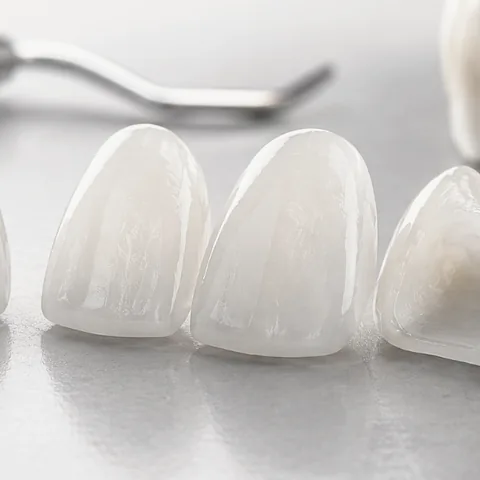
Cosmetic Dentistry
Assessment of tooth shape, color, gum appearance and spacing.
-
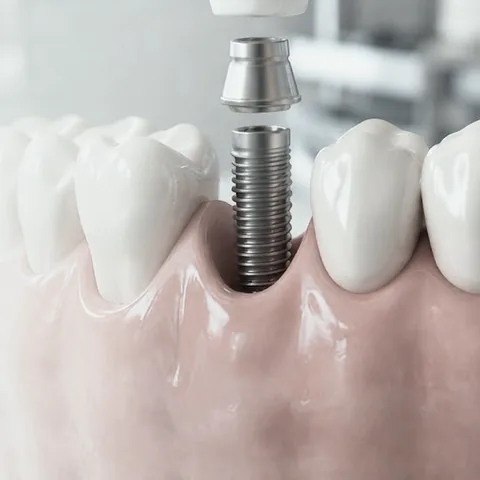
Implant Treatment
Implant options for single, multiple or full-arch tooth replacement.
-
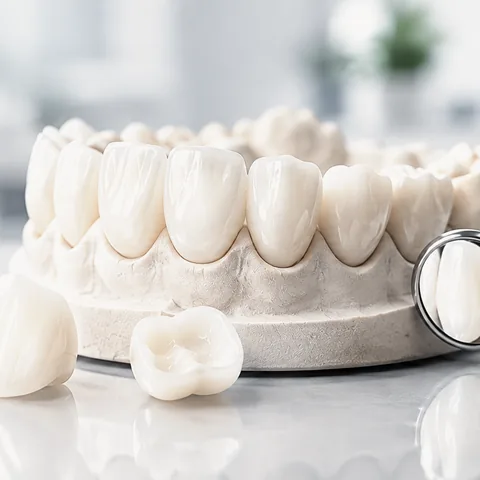
Porcelain and Zirconia Restorations
Restoration options for crowns, bridges, inlays and onlays.
-
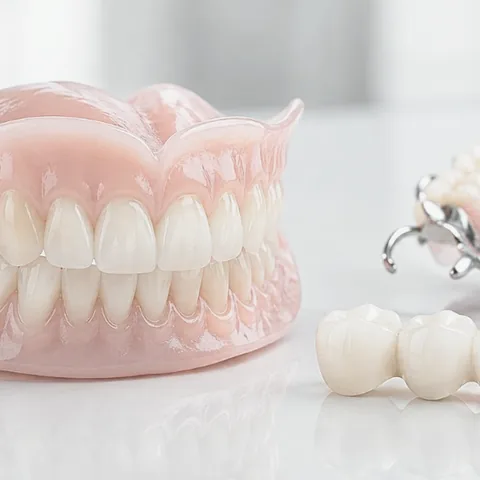
Dental Prosthetics
Implant restorations, full dentures, partial dentures and precision attachments.
-
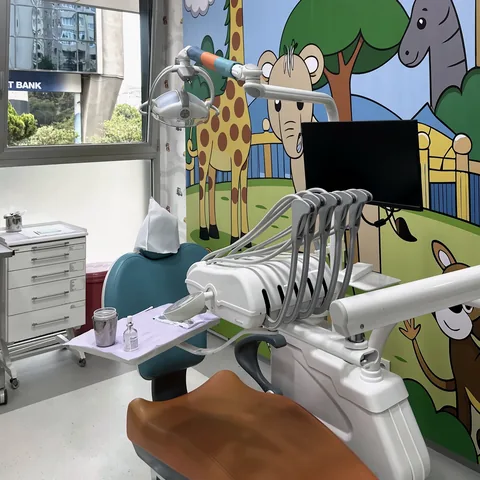
Pediatric Dentistry
Baby tooth treatment, preventive care and dental development checks.
-
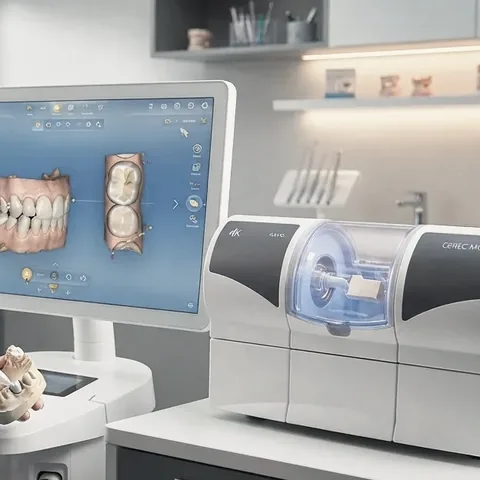
Digital Dentistry
Intraoral scanning, digital impressions and prosthesis planning.
-
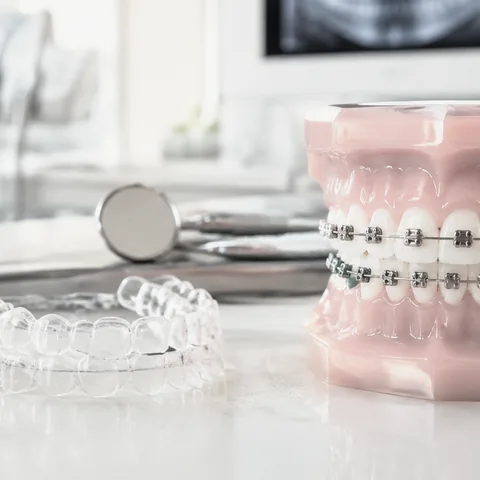
Orthodontic Treatments
Clear aligners, metal braces, ceramic braces and retention.
-
General Dentistry
Dental cleaning, fillings, root canal treatment, extractions and preventive care.



 Dentist who prepared this content Dt. Gülşen Aygün Dentist View profile
Information
The information on this page is for general information only. The feasibility of treatment, the materials used and the treatment process are determined by a dentist after assessing your oral and dental health. Please contact our clinic for a personal diagnosis and treatment plan.
Appointment request
Your details reach Savoy Dental Clinic. Our team will call you during opening hours.