
porcelain and zirconia
Porcelain and Zirconia Restorations
Published: Last updated:
Medical review: Awaiting review by a dentist
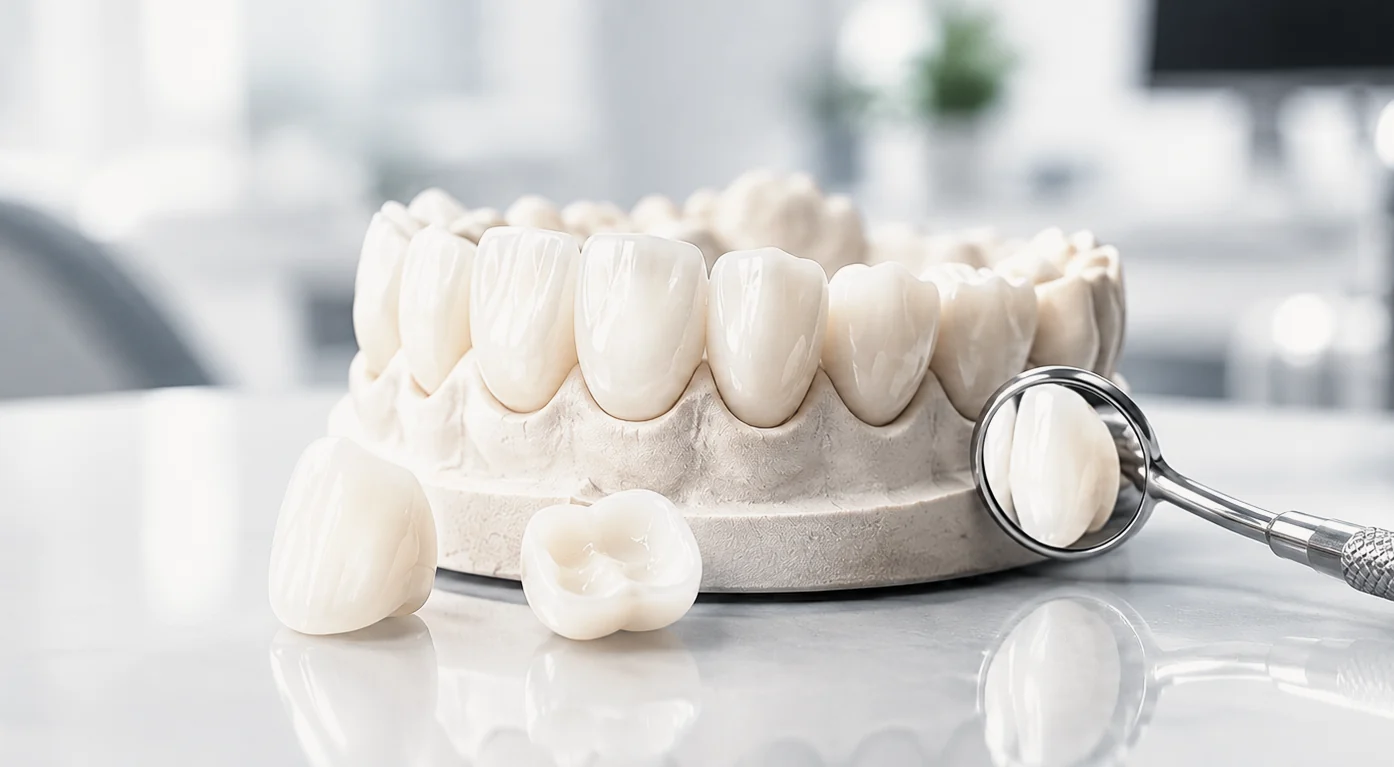
Porcelain and zirconia restorations may repair tooth structure or replace missing teeth. Material choice depends on tooth structure and biting forces.
{ AI · preliminary guidance }
onlineLet's talk about crown and bridge options
AI responses do not replace a medical diagnosis.
Zirconia Crowns
Zirconia crowns may cover teeth with lost tooth structure or teeth being considered for changes in appearance.
Porcelain may be applied over a zirconia framework, or the entire restoration may be zirconia in suitable cases. The dentist assesses tooth position, the bite and neighboring teeth together. A zirconia crown may not be necessary or suitable for every tooth. An examination guides material choice and design.
All-Ceramic Crowns (E-max)
All-ceramic crowns are ceramic restorations without a metal framework. They may be considered where a natural tooth appearance is important.
Lithium disilicate ceramics, known as E-max, may be used for crowns, veneers and some partial restorations. Tooth structure, position and chewing forces guide material choice. All-ceramic restorations may not suit every case; clinical assessment determines suitability and ceramic type.
Porcelain-Fused-to-Metal (PFM) Crowns
Porcelain-fused-to-metal crowns have a metal framework for strength, covered with tooth-colored porcelain.
They may be considered for extensive tooth structure loss, bridges or areas subject to high chewing forces. The dentist assesses tooth condition, gum health, the bite and the patient’s needs. An examination determines suitability and material choice.
Dental Bridges
Dental bridges are fixed restorations supported by neighboring teeth or implants to replace one or more missing teeth.
Planning considers the number and location of missing teeth, the supporting teeth, gum health and the bite. Zirconia, all-ceramic or porcelain-fused-to-metal materials may be used. Bridge suitability and materials vary by patient and are determined through clinical and radiographic examinations.
Inlay and Onlay Restorations
Inlays and onlays are partial restorations considered when tooth structure loss is too extensive for a filling but does not require a full crown.
They are made from an impression or digital scan and bonded to the relevant part of the tooth. Material choice depends on tooth position and treatment needs. The dentist assesses remaining healthy tissue, the extent of decay or fracture and biting forces to plan treatment.
Our other treatment areas
-
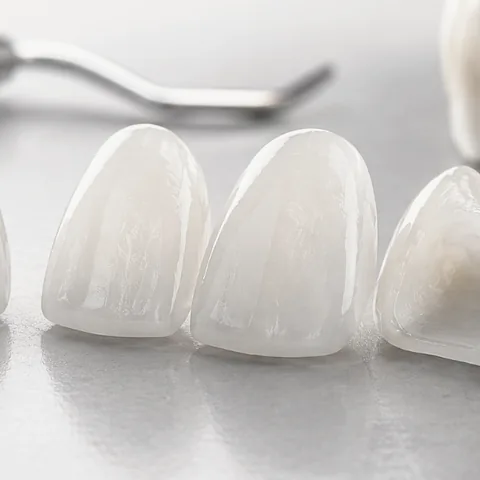
Cosmetic Dentistry
Assessment of tooth shape, color, gum appearance and spacing.
-
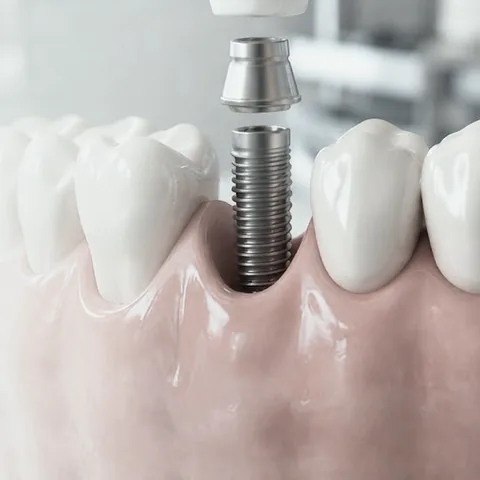
Implant Treatment
Implant options for single, multiple or full-arch tooth replacement.
-
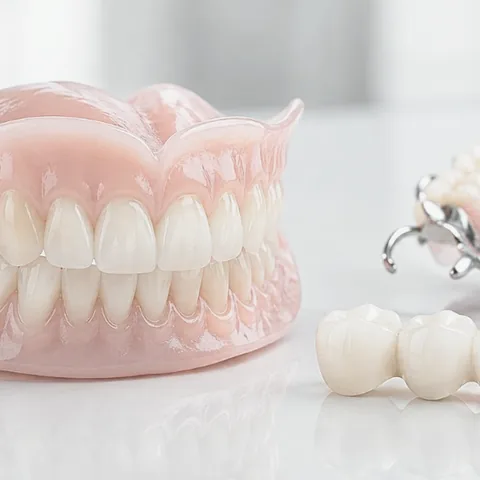
Dental Prosthetics
Implant restorations, full dentures, partial dentures and precision attachments.
-
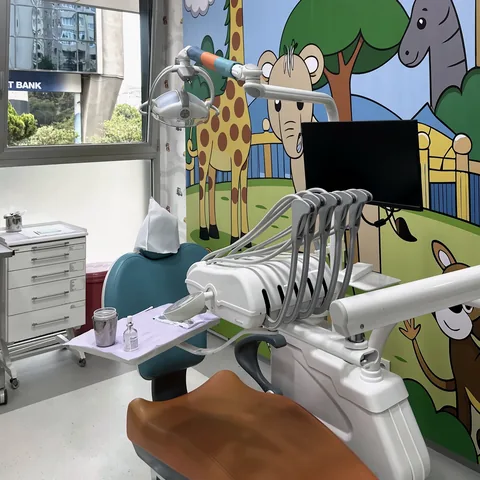
Pediatric Dentistry
Baby tooth treatment, preventive care and dental development checks.
-
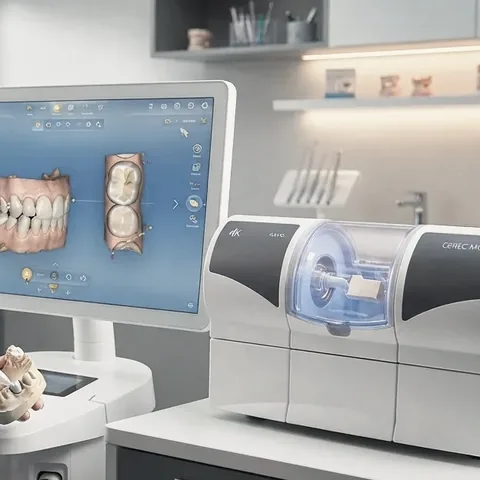
Digital Dentistry
Intraoral scanning, digital impressions and prosthesis planning.
-
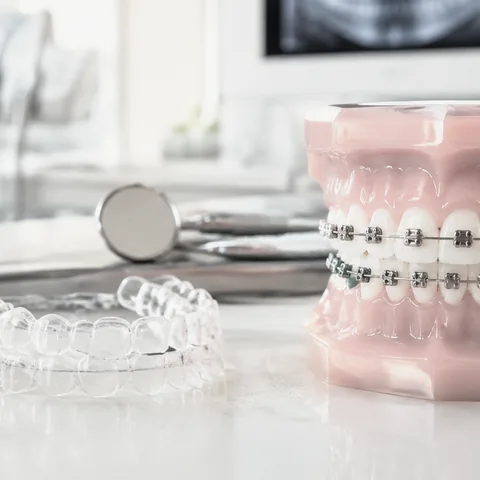
Orthodontic Treatments
Clear aligners, metal braces, ceramic braces and retention.
-
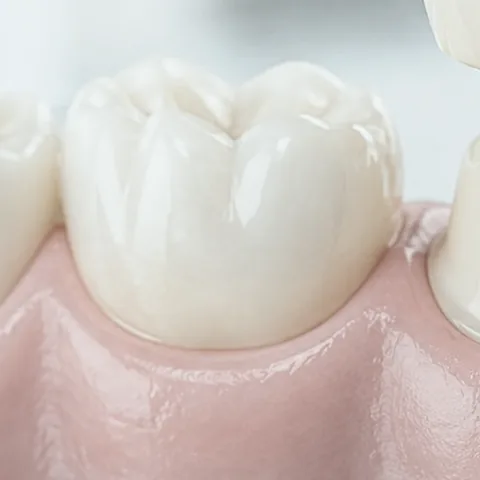
Gum Disease Treatments
Tartar removal, gum treatment and gum contouring.
-
General Dentistry
Dental cleaning, fillings, root canal treatment, extractions and preventive care.



 Dentist who prepared this content Dt. İpek Rizvan Dentist, Clinic Owner View profile
Information
The information on this page is for general information only. The feasibility of treatment, the materials used and the treatment process are determined by a dentist after assessing your oral and dental health. Please contact our clinic for a personal diagnosis and treatment plan.
Appointment request
Your details reach Savoy Dental Clinic. Our team will call you during opening hours.